
Planning your first trip to Japan can feel like a lot. With just seven days, you have to be smart about what you pick and choose.
The trick is to focus on three cities. That way, you get a real taste of Japan’s modern buzz, deep-rooted culture, and wild food scene—without running yourself ragged.
A solid seven-day itinerary splits your time between Tokyo, Kyoto, and Osaka—three days in Tokyo, two in Kyoto, two in Osaka. This route just flows naturally, and getting around is a breeze.
Think neon-lit streets, old temple grounds, sushi breakfasts in hectic fish markets, and street food in alleys that never seem to sleep. Bullet trains whisk you between cities in what feels like a blink.
This guide breaks down each day so you know where to wander, what’s actually worth your time, and how to get around. We’ll cover which neighborhoods are cool to explore, the can’t-miss sights, and those little details—like trains and hotels—that make travel smoother.
Whether you’re after shrines, shopping, or just eating your way through Japan, this itinerary has you covered with the essentials.
Key Takeaways
- Split your week between Tokyo, Kyoto, and Osaka to soak up Japan’s modern cities, historic temples, and legendary food
- Use the Japan Rail Pass to save on bullet trains and local JR lines
- Book hotels near main train stations in each city—seriously, it’ll save you so much time
Essential Planning for Your 7-Day Japan Itinerary
Getting your first trip to Japan right means nailing a few basics. When to go, how to use the trains, and where to start can make or break your week.
Best Time to Visit Japan
Spring (March to May) and fall (September to November) are the sweet spots. Late March to early April is cherry blossom season—gorgeous, but packed. Fall brings crisp air and Kyoto’s temples glow with red and orange leaves.
Summer (June to August) is hot and sticky, with temps often hitting 30-35°C (86-95°F). The rainy season runs from early June to mid-July. Winter (December to February) is cold, but you’ll dodge the crowds and save some cash.
For fewer tourists and nice weather, late November or early December is hard to beat. You’ll get clear skies and a little breathing room at the big sights.
Choosing Where to Start and End Your Trip
Most people start in Tokyo and end in Osaka. It just makes sense—big city buzz, then Kyoto’s old-world charm, then Osaka for food. Tokyo’s Narita and Haneda airports have more flights and sometimes better deals than Osaka’s Kansai International.
Got a cheaper flight into Osaka? No worries, just flip the itinerary. The Shinkansen makes either direction easy.
If you can, book round-trip flights into one city or use open-jaw tickets (fly in one city, out the other) to avoid backtracking.
JR Pass and Shinkansen Tips
The Japan Rail Pass covers most JR trains, including most Shinkansen bullet trains. It costs about ¥50,000 for a 7-day ordinary pass. If you’re riding from Tokyo to Kyoto and Osaka, you’ll save—one-way Tokyo to Kyoto on the Shinkansen is around ¥13,320.
The pass works on Hikari and Kodama Shinkansen (not the faster Nozomi or Mizuho). Hikari trains are just 15-30 minutes slower, so it’s not a big deal. Buy your JR Pass before you land in Japan, then swap your voucher for the real pass at a major train station.
Reserve your Shinkansen seats for free at any JR ticket office. There are unreserved cars, but with a reserved seat, you won’t get stuck standing when it’s busy.
Budgeting and Japan Travel Tips
Plan on ¥15,000-25,000 per day per person for a comfortable week. That covers a mid-range hotel (¥8,000-15,000/night), meals (¥3,000-5,000/day), and activities (¥2,000-5,000/day). The JR Pass adds about ¥7,000 per day to your pre-trip costs.
Cash is still king in Japan. Lots of small restaurants and shops don’t take cards. Hit up 7-Eleven or post office ATMs—they work well with foreign cards and have lower fees.
Download Google Maps and the Japan Travel by NAVITIME app. Both are lifesavers for train routes and walking directions. Learn a few basics like “sumimasen” (excuse me) and “arigatou gozaimasu” (thank you). Free Wi-Fi is in most hotels, train stations, and convenience stores, but renting a pocket Wi-Fi makes life easier if you want to stay connected.
Where to Stay in Each City
Picking the right neighborhood changes everything. Every city’s got its own vibe, price range, and access to the good stuff.
Where to Stay in Tokyo
Shinjuku is the top pick for first-timers. It’s a huge transport hub, with trains to just about anywhere. Hotels run the gamut, and the area’s always buzzing. Shinjuku Station connects to tons of subway lines, so day trips are simple.
Shibuya is perfect if you want shopping and nightlife right outside. It’s a bit pricier but puts you at the center of Tokyo’s energy. Shibuya Crossing is basically your front yard.
Asakusa gives you a traditional feel and saves you some yen. You’ll be near Sensoji Temple and old-school shops, but it’s a longer train ride to Shibuya or Harajuku.
If you’re on a budget, Ueno has affordable hotels near a big park and several museums. The train station makes getting around easy.
Where to Stay in Kyoto
Downtown Kyoto (Kawaramachi area) puts you close to buses and trains. Most hotels are within walking distance of food and shopping. You can reach the eastern temples in 15-20 minutes by bus.
Gion lands you in the historic geisha district with old wooden houses. It’s more expensive but feels like classic Kyoto. You might even spot a geisha in the evening.
Kyoto Station Area is great if you’re watching your wallet or arriving late. Loads of affordable hotels are steps from the station. You’ll spend more time commuting, but it’s super convenient when you’re moving to your next city.
Where to Stay in Osaka
Namba is the go-to for most travelers. It’s got the famous Dotonbori food street, shopping, and direct trains to Kyoto and Nara. Hotels range from capsule to mid-range business spots.
Umeda is Osaka’s business heart, with modern hotels and big department stores. Train connections are excellent for day trips. It’s less touristy than Namba but doesn’t have as many restaurants nearby.
Shinsaibashi sits between Namba and Umeda, with great shopping. You’ll find mid-range hotels and easy access to both nightlife areas.
Experiencing a Ryokan
A ryokan is a traditional inn with tatami floors and futon beds, usually including dinner and breakfast. Kyoto’s got the best selection, especially in Higashiyama and Arashiyama.
They cost more than regular hotels. Budget ryokans start around 10,000 yen per person (meals included); mid-range ones go for 15,000-25,000 yen.
Most have strict check-in times (usually 3-5 PM) and serve dinner at set hours. You’ll take off your shoes at the entrance and wear a yukata robe. Many offer onsen (hot spring baths). Try to book at least one night—it’s a special experience.
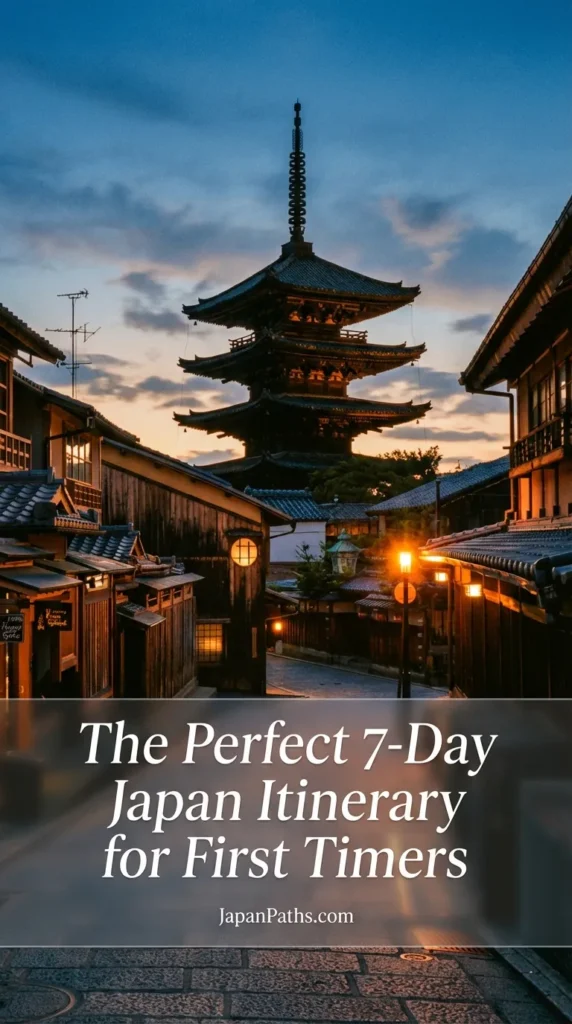
Day 1-3: Tokyo – Modern Culture, Neighborhoods, and Attractions
Three days in Tokyo means bouncing through wildly different neighborhoods. From the madness of Shibuya Crossing to the calm at Meiji Shrine, you’ll see both sides of the city. There’s high-tech fun, centuries-old temples, and enough green space to catch your breath.
Top Tokyo Districts to Explore
Shibuya is all about that crazy crossing where everyone walks at once. The Hachiko Statue is right by the station—people love meeting there. For a killer view, Shibuya Sky has an observation deck that’s hard to beat.
Harajuku is a short walk from Shibuya. Takeshita Street is packed with shops selling wild fashion, crepes, and pop culture stuff. It’s a magnet for teens and tourists chasing quirky souvenirs (and Instagrammable snacks).
Shinjuku is Tokyo’s busiest spot. Kabukicho lights up at night with bars and arcades. Omoide Yokocho is all narrow alleys and tiny yakitori joints. Golden Gai squeezes over 200 tiny bars into a handful of alleyways. Head up the Tokyo Metropolitan Government Building for free city views from the 45th floor.
Akihabara is heaven for electronics, anime, and gaming fans. Arcades and manga shops fill the streets. You can hit a themed cafe or dig through vintage game stores.
Asakusa keeps things old-school, with traditional shops and restaurants leading up to its famous temple.
Must-See Temples and Shrines in Tokyo
Senso-ji Temple in Asakusa goes back to 628 and draws over 30 million visitors a year. Enter through Kaminarimon Gate, then stroll Nakamise Shopping Street before reaching the temple itself. It stays open late, so you can dodge the daytime crowds.
Meiji Shrine hides in a forest in Harajuku. It honors Emperor Meiji and Empress Shoken. A wide gravel path winds through towering trees to the shrine. On weekends, you might catch a traditional wedding or see people writing wishes on wooden plaques.
The Tokyo National Museum in Ueno has Japan’s biggest stash of art and artifacts. Samurai armor, old pottery, ancient scrolls—it’s all here, spread across several buildings.
Notable Parks and Green Spaces
Shinjuku Gyoen covers 144 acres with Japanese, French, and English-style gardens. Over 1,500 cherry trees bloom in spring. There’s a small entrance fee, and the park closes one day a week.
Ueno Park is 133 acres of museums, a zoo, temples, and ponds. It gets packed for cherry blossoms but is a good place to chill anytime. Wide paths and open spaces make it easy to spend a few hours here.
Both parks don’t allow alcohol, so they’re calmer than the usual hanami party spots.
Unique Experiences and Entertainment
teamLab Planets is a trippy digital art spot where you walk barefoot through rooms filled with water and mirrors. Book your ticket online—slots fill up fast.
Tokyo Skytree towers 634 meters over the city. There are two observation decks (350m and 450m). On a clear day, you might see Mount Fuji. Downstairs, you’ll find shops, restaurants, an aquarium, and even a planetarium.
The Tsukiji Outer Market is still going strong after the wholesale market moved. Grab sushi for breakfast or browse stalls selling kitchen gear, tea, and dried seafood. Street vendors serve up grilled seafood and sweet tamagoyaki omelets.
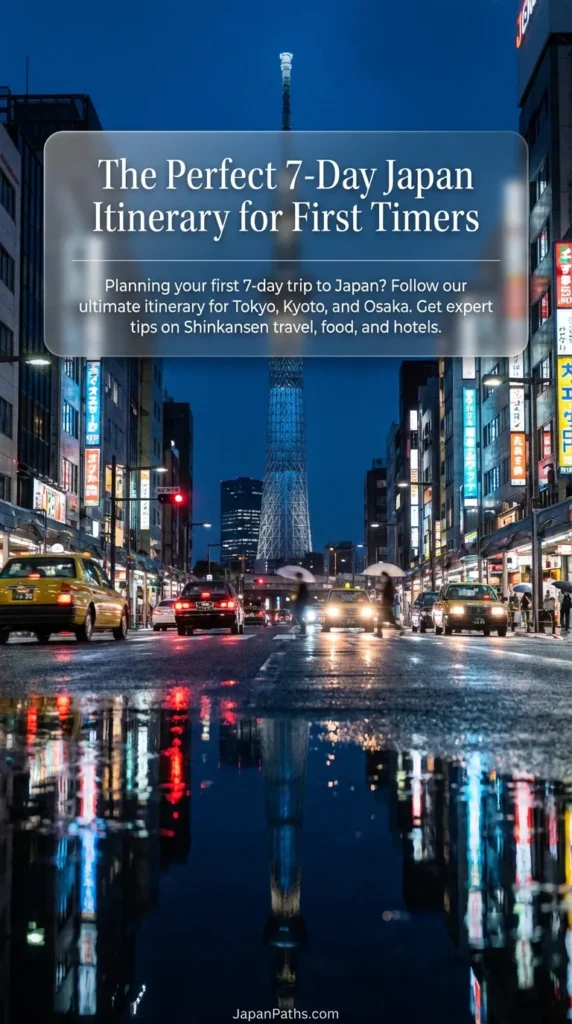
Tokyo Food and Nightlife Highlights
Tokyo throws you right into some of Japan’s best food experiences, ranging from lively street markets to tiny late-night bars tucked away in alleys. The city really comes alive after dark, with nightlife districts that cater to just about every taste.
Best Street Food and Markets in Tokyo
Tsukiji Outer Market is still the top spot for fresh sushi and seafood, even though the wholesale market moved to Toyosu. You’ll spot stalls serving grilled scallops, tamago (sweet egg omelet), and some of the freshest tuna bowls around.
Arrive before 10 AM if you want the best selection. It gets crowded, but the early bird gets the freshest cuts.
Ameya-Yokocho in Ueno is a covered market street where vendors sell takoyaki (octopus balls), yakitori, and fresh fruit at affordable prices. The chaotic energy and mix of food smells feel genuinely local.
Depachika are basement food halls in department stores like Shinjuku Takashimaya or Mitsukoshi. You’ll find beautifully packaged bento boxes, fresh wagyu, and seasonal desserts—great for gifts or a quick meal.
Nightlife Districts and Bars
Shinjuku’s Golden Gai is a maze of over 200 tiny bars, most seating just 5-8 people. The narrow alleys are intimate and quirky, but some bars do charge cover fees for tourists.
Most bars open after 8 PM. If you want to experience the real vibe, go late.
Shibuya draws a younger crowd with its clubs, karaoke bars, and izakayas. The area around Shibuya Station stays busy until the first train at 5 AM.
Roppongi is known for upscale clubs and international bars, making it a hotspot for expats and tourists. The nightlife here is pricier, but it stays open later than most other areas in Tokyo.
Omoide Yokocho in Shinjuku is a narrow alley packed with traditional yakitori stands. Salarymen crowd these smoky stalls after work, snacking on grilled chicken skewers at tiny counters.
Iconic Food Experiences
Ichiran Ramen makes solo dining easy with individual booths and customizable ramen forms. The tonkotsu broth is rich, and the experience feels uniquely Japanese.
Locations are open 24 hours, so you can grab a bowl whenever hunger strikes.
Conveyor belt sushi at places like Kura Sushi or Sushiro is fun and affordable, with plates running 100-300 yen. You order from tablets, and plates zip over on tiny bullet trains—kids and adults both love it.
Depato rooftop beer gardens pop up in summer on department store rooftops. For 3,000-4,000 yen, you get all-you-can-eat-and-drink deals with city views—honestly, not a bad way to spend an evening.
Robot Restaurant in Shinjuku (if it’s reopened) is a sensory overload of neon, loud music, and wild performances. The food’s nothing to write home about, but it’s a spectacle you won’t forget if you’re after something truly bizarre.
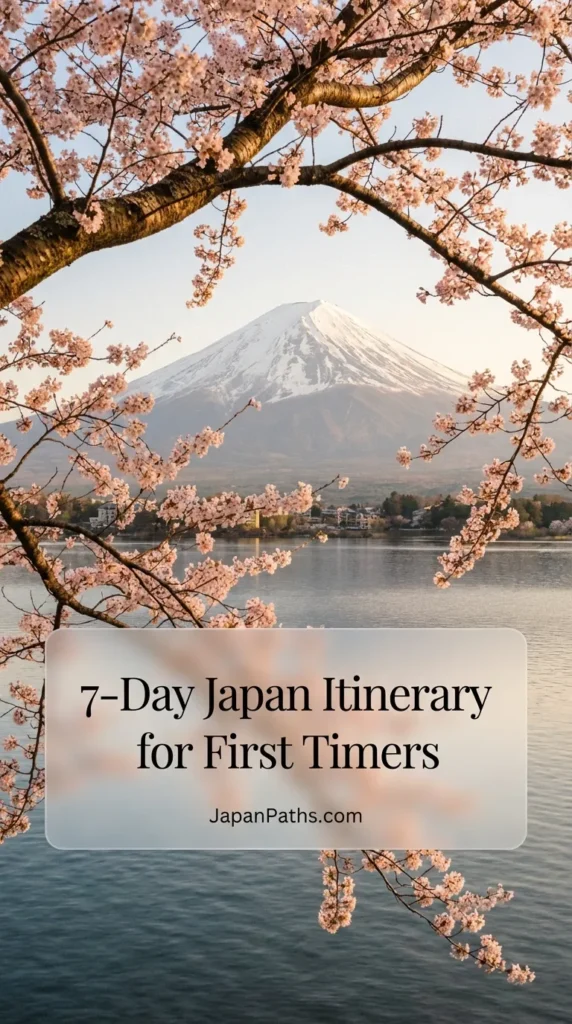
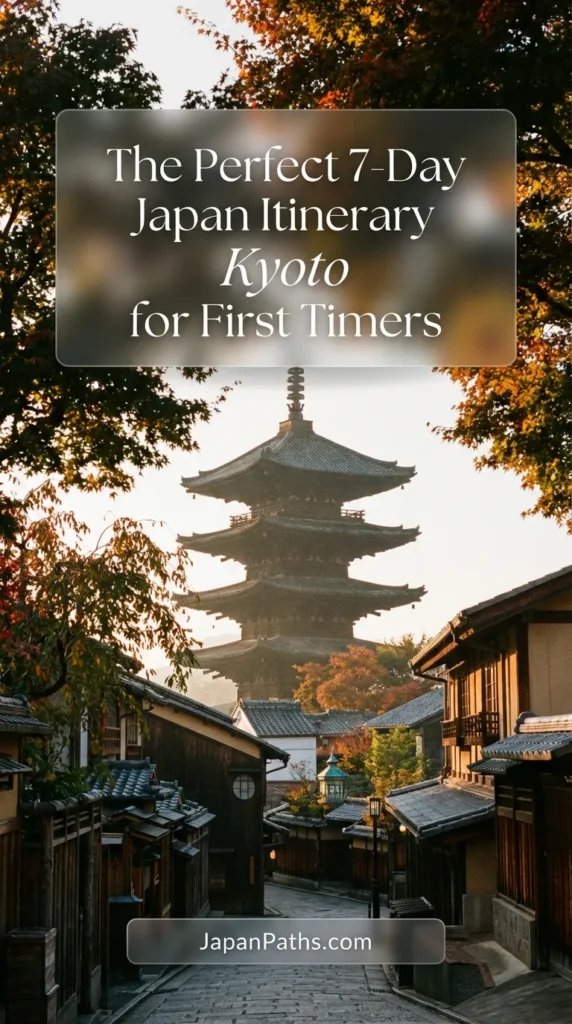
Day 4-5: Kyoto – Traditional Japan and Timeless Sights
Kyoto gives you two full days to wander ancient temples, serene gardens, and old-fashioned streets. You’ll see iconic shrines, stroll through bamboo forests, and eat your way through local markets.
Famous Temples, Shrines, and Gardens
Start your morning at Fushimi Inari Taisha, known for its endless red torii gates winding up the mountain. The main trail takes 2-3 hours, but you can turn back whenever you feel like it.
Arrive around 7-8 AM to dodge the crowds and snap better photos. It’s worth the early start.
Kinkaku-ji, the Golden Pavilion, is one of Kyoto’s most photographed spots. The top two floors are covered in gold leaf and shimmer on the pond below.
Plan for about 45 minutes here. The garden path is an easy walk and surprisingly peaceful.
Kiyomizu-dera Temple sits on a hillside with a big wooden terrace overlooking the city. The temple grounds have smaller shrines and a waterfall where visitors drink from three streams.
The walk up through the shopping streets takes 15-20 minutes from the bus stop. It’s a bit of a climb, but the views make up for it.
Ryoan-ji Temple is home to Japan’s most famous rock garden—15 rocks arranged in raked gravel. Take a seat on the wooden platform and just soak it in for a bit.
The temple also has a pond garden that’s worth a look if you have time.
Gion District and Geisha Culture
Gion is Kyoto’s best-known geisha district. You might spot a geiko (Kyoto’s term for geisha) or maiko (apprentice) in the early evening.
Hanami-koji Street between 5-7 PM is your best bet if you want to catch them on their way to work. Just remember—don’t block or touch them for photos.
The streets here have traditional wooden machiya houses and old teahouses. It feels like stepping back in time, but be respectful of the culture.
Maruyama Park sits nearby and is lovely during cherry blossom season. It connects to Yasaka Shrine and makes a great rest stop between temple visits.
Pontocho Alley runs parallel to the Kamo River. At night, the narrow lanes glow with lanterns and the restaurants fill up quickly.
Arashiyama and Bamboo Grove
The Arashiyama Bamboo Grove is an otherworldly place, with tall bamboo swaying overhead. Go early—before 8 AM—to beat the crowds.
The main path is a short walk, maybe 10-15 minutes, but it’s the atmosphere that counts.
Tenryu-ji Temple sits right at the entrance and has one of Kyoto’s best Zen gardens. The grounds connect straight to the bamboo path.
You can buy a ticket just for the garden or add the temple buildings. It’s flexible, depending on your mood.
The Togetsukyo Bridge crosses the river and serves as Arashiyama’s main landmark. If you cross over, you’ll find quieter riverside paths and temples like Adashino Nenbutsu-ji, with its sea of stone statues.
Give yourself 3-4 hours for Arashiyama, including travel time from central Kyoto. It’s easy to lose track of time here.
Kyoto Food and Market Experiences
Nishiki Market stretches five blocks and is packed with fresh seafood, pickles, sweets, and even kitchen tools. Shops open around 10 AM and start closing by 5 or 6 PM.
Try samples as you walk, but if you taste, buy something—it’s just good manners.
Local foods to look for:
- Yudofu (silky tofu hot pot), especially near temples
- Fresh yuba (tofu skin) at Nishiki Market
- Matcha sweets and drinks everywhere
- Tsukemono (Japanese pickles) at market stalls
Many small restaurants near temples serve vegetarian Buddhist cuisine called shojin ryori. Kyoto is famous for kaiseki, those elaborate multi-course meals—but you’ll need a reservation and a bigger budget.
Street food stalls near major temples sell grilled mochi, croquettes, and soft-serve ice cream in matcha or black sesame. Don’t leave without trying at least one.
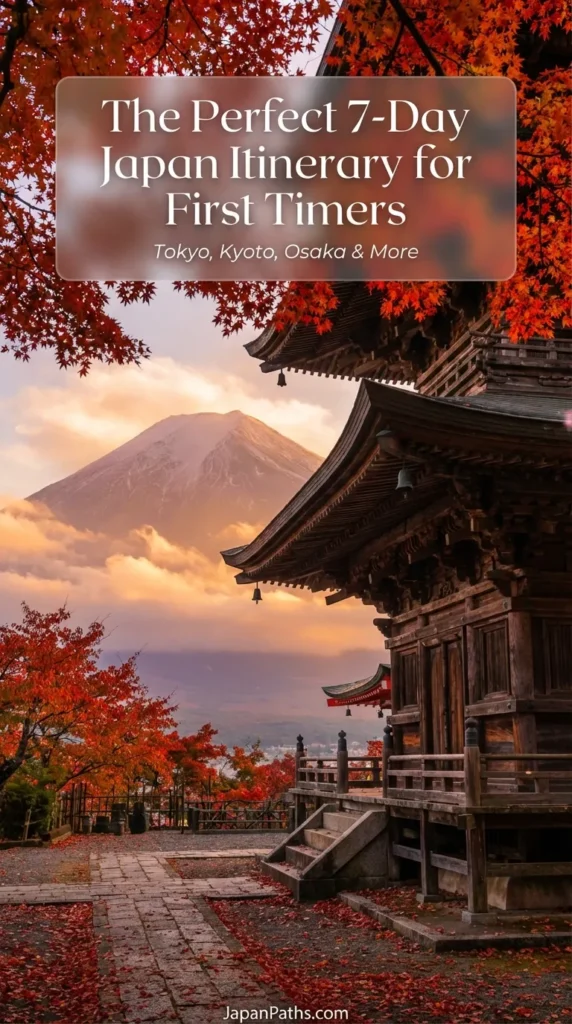
Day 6-7: Osaka – Food, Castles, and City Sights
Osaka wraps up your week in Japan with bold flavors, historic landmarks, and neighborhoods that buzz with energy. You’ll check out a 16th-century castle, dive into street food heaven in Dotonbori, and wander shopping districts showing off the city’s modern side.
Osaka Castle and Historic Spots
Osaka Castle stands 103 meters tall, dating back to the 16th century. It played a huge role in Japan’s unification and is still a symbol of the city.
The main tower houses a museum with armor, weapons, and feudal-era artifacts. The surrounding park covers 106 acres with walking paths and cherry trees.
Climb to the eighth-floor observation deck for city views. Visit early—the castle opens at 9:00 AM and tickets start at about 600 yen.
From the castle, you can stroll to Hozenji Temple, a quiet spot with a moss-covered Buddha statue. It’s a peaceful break from Osaka’s busy streets.
Dotonbori and Street Food Heaven
Dotonbori is Osaka’s most famous food district, lit up with neon signs and huge 3D billboards. The Glico Running Man sign is the main photo spot on Ebisu-bashi Bridge.
This area doesn’t slow down until well past midnight. Try takoyaki (octopus fritters) from street vendors along the canal—crispy on the outside, creamy on the inside.
Kushikatsu, deep-fried skewered meat and veggies, is another local specialty. Don’t skip it.
Kuromon Ichiba Market is nearby, with 170 shops selling fresh seafood, produce, and prepared foods. Vendors serve sushi, grilled scallops, and seasonal fruit.
The market opens around 8:00 AM and gets busiest by early afternoon.
Vibrant Neighborhoods and Shopping
Shinsaibashi is Osaka’s main shopping street, with covered arcades stretching 600 meters. You’ll find clothing boutiques, cosmetics, international brands, and plenty of local shops.
The street connects right to Dotonbori, so you can shop and eat without missing a beat.
Namba surrounds the main train station and has department stores, electronics shops, and underground malls. Amerika-mura (American Village) pulls in younger crowds with vintage shops, streetwear, and quirky cafes.
Den Den Town in Nipponbashi is Osaka’s electronics and anime hub. Ota Road is packed with manga stores, collectible shops, and arcades.
Shinsekai has a retro vibe, with the Tsutenkaku Tower as its centerpiece and budget-friendly restaurants serving local dishes.
Entertainment in Osaka
Universal Studios Japan brings theme park thrills to your Osaka trip. You’ll find rides based on Harry Potter, Super Nintendo World, and Minions.
Tickets start around 8,600 yen. If you’re a theme park fan, set aside a full day—it’s a lot to cover.
If theme parks aren’t your thing, the Umeda Sky Building in Kita offers panoramic views from its 173-meter-high observation deck. The design is wild—two towers linked by a floating garden observatory.
Tickets cost about 1,500 yen. HEP Five shopping mall has a red Ferris wheel on its roof, so you can get city views without leaving the shopping district.
Spa World is great for evening relaxation, with hot spring baths themed after ancient Rome and Japan. It’s a quirky way to end the day.
Day Trip and Off-the-Beaten-Path Options
Most travelers stick to the main cities during a week in Japan, but adding a day trip lets you experience quieter temples, natural scenery, and traditional neighborhoods. Nara is easy to reach for historic sites and deer, while places like Nikko offer mountain views and ornate shrines.
Nara and Todai-ji Temple
Nara sits just 45 minutes by train from Kyoto or Osaka, so it’s a super easy day trip. The city was Japan’s capital from 710 to 794 AD.
Todai-ji Temple dominates Nara Park with its massive wooden hall built in 752 AD. Inside, you’ll see a 15-meter bronze Buddha statue weighing about 500 tons.
The Nandaimon Gate at the entrance has two huge guardian statues carved in the 13th century. It’s an impressive sight.
More than 1,000 deer roam freely around Nara Park. You can buy crackers from vendors to feed them, but watch out—the deer near the entrance can get pushy. Walk farther in for calmer encounters.
Kasuga Taisha Shrine is lined with thousands of bronze and stone lanterns. The shrine dates to 768 AD and is tucked away in the forest behind Todai-ji.
Budget 4-5 hours for Nara. Grab a free map at Kintetsu-Nara Station to get your bearings and hit the main spots efficiently.
Other Day Trip Ideas from Kyoto or Osaka
Himeji is about 90 minutes from Osaka. Japan’s largest castle stands here, nicknamed the “White Heron Castle” for its white exterior.
You’ll want 2-3 hours to wander the castle grounds and climb the multiple floors. It’s a lot of steps, but the views and history feel worth it.
Hiroshima takes a full day, with a 2-hour train ride from Osaka. The Peace Memorial Park and Museum tell the story of the 1945 atomic bombing.
The floating torii gate at Miyajima Island is nearby. To reach it, hop on a 30-minute ferry—it’s a bit of a trek, but the sight is unforgettable.
Kobe is just 30 minutes from Osaka. Here, you can try famous Kobe Beef, stroll the historic Kitano district, or ride a ropeway up Mount Rokko for city views.
Nature and Scenic Highlights
Nikko sits two hours north of Tokyo in the mountains. Toshogu Shrine dazzles with gold decorations and intricate carvings.
The shrine honors Tokugawa Ieyasu, who unified Japan in the 1600s. It’s a peaceful, almost mystical spot.
Lake Chuzenji formed thousands of years ago after Mount Nantai erupted. The lake sits at 1,269 meters, with hiking trails all around.
Kegon Falls drops 97 meters from the lake’s outlet. It’s one of Japan’s most photographed waterfalls, and you can ride an elevator down to a viewing platform at the base.
Hakone offers hot spring resorts and, on clear days, views of Mount Fuji. The trip from Tokyo takes about 90 minutes by train.
You can visit the open-air sculpture museum or take the ropeway over volcanic valleys. Sometimes the weather doesn’t cooperate, but it’s still a worthwhile escape.
Practical Essentials: Transportation, Connectivity, and Departure
Getting around Japan efficiently means knowing a few key transportation systems and tools. IC cards make train travel a breeze, and airport transfers are pretty simple once you know your options.
Tokyo Station and Narita Express
Tokyo Station is the main hub, linking you to both major airports and regional destinations. The Narita Express (N’EX) runs straight from Narita Airport to Tokyo Station in about 60 minutes, with trains every 30-60 minutes.
Buy N’EX tickets at the airport or reserve them online before you arrive. The standard fare is around ¥3,070 one way, but tourist discounts sometimes drop it to ¥1,500-2,000.
Reserved seating comes standard, and the trains have spacious luggage racks above seats and at the car ends. It’s surprisingly stress-free, even with big bags.
From Tokyo Station, you can hop on the JR Yamanote Line to reach hotels in Shinjuku, Shibuya, or other major districts. The station has English signs, but give yourself extra time—it’s huge, with lots of exits and levels.
Airport Transfers and Kansai International Airport
Haneda Airport is closer to central Tokyo than Narita, just 30 minutes away via the Tokyo Monorail or Keikyu Line. Haneda connects directly to Hamamatsucho and Shinagawa Stations, so it’s usually the fastest way to your hotel.
Kansai International Airport serves the Osaka and Kyoto region. The JR Haruka Express takes about 75 minutes from the airport to Kyoto Station for around ¥3,600.
For Osaka, take the Nankai Railway to Namba Station in 45 minutes for roughly ¥920, or the JR line to Osaka Station. Airport limousine buses also run to major hotels in all three cities, costing ¥2,000-3,500 and including luggage storage.
Travel times by bus are longer and depend on traffic. Sometimes it’s worth it for the door-to-door convenience, though.
Using IC Cards and Navigating Trains
Suica and PASMO cards work on all trains, subways, and buses in Tokyo, Kyoto, and Osaka. Buy them at any major station ticket machine for a ¥500 deposit plus your first charge.
Load ¥2,000-3,000 to start, and you’ll cover several days of local travel. Just tap your card at the gates when entering and exiting stations; the fare comes off automatically.
You can also use IC cards at convenience stores and vending machines throughout Japan. It’s handy when you don’t want to fuss with coins.
Train platforms display line names, directions, and train types in English. Google Maps is accurate for route planning and even shows platform numbers and transfer info.
Download offline maps before you travel, just in case you lose mobile data. It’s saved me more than once.
Final Packing and Departure Tips
Arrive at the airport three hours before international flights, especially during busy seasons. Security and check-in lines can get long.
Japanese airports ask to see your passport at check-in, even for domestic legs connecting to international flights. Don’t get caught digging for it at the last minute.
Pack a separate bag for souvenirs you buy along the way. Luggage forwarding services like Yamato Transport can ship bags between hotels or straight to the airport for ¥2,000-3,000 per bag, letting you travel light on your last day.
Keep at least ¥5,000 in cash for last-minute purchases or trains, since some small airport shops and food stalls don’t take cards. Try to spend or exchange leftover yen before you leave—exchange rates outside Japan are usually worse.
Frequently Asked Questions
Planning your first trip to Japan? You’re bound to have plenty of questions about where to go, how to get around, and what to expect. Here’s some practical advice to help you get the most out of your seven days in Tokyo, Kyoto, and Osaka.
What are the must-see attractions in Tokyo for first-time visitors?
Tokyo’s highlights include the famous Shibuya Crossing and the historic Senso-ji Temple in Asakusa. Don’t miss the Tsukiji Outer Market for fresh sushi, or the buzzing electronics district of Akihabara.
The Imperial Palace grounds give you a peaceful break from city chaos. Ueno Park is home to several museums, including the Tokyo National Museum, which has Japan’s biggest art and artifact collection.
Shinjuku is the spot for nightlife and dining, especially in Golden Gai and Memory Lane. TeamLab Planets offers a digital art experience where you wander barefoot through interactive installations—it’s a bit surreal, honestly.
How should I divide my time between Tokyo, Kyoto, and Osaka over a week?
Spend three days in Tokyo to hit the main neighborhoods and sights. Give Kyoto two full days for temples, gardens, and the bamboo forest.
Use one day for a Nara day trip from Kyoto to see the famous deer and Todai-ji Temple. For your last night, either return to Tokyo or check out Osaka if you activated your JR Pass early.
What is the best method of transportation for traveling between Tokyo, Kyoto, and Osaka?
The JR Pass gives you unlimited rides on most Japan Railway trains, including the bullet train between cities. Buy it before you arrive in Japan—it costs about 29,650 yen for seven days.
Activate your JR Pass as soon as you arrive to get the most value. The bullet train takes around 2.5 hours from Tokyo to Kyoto, and just 15 minutes from Kyoto to Osaka.
Within cities, use local subway and train lines. The JR Pass covers JR train lines in Tokyo, which link up many popular neighborhoods.
Can you recommend any day trips from these cities that are easily accessible and worth visiting?
Mount Fuji is one hour from Tokyo and offers some of the country’s most iconic views. Tours usually include Hakone, with its lakes and hot springs, and cost around 12,000 yen.
Kamakura has a 13-meter bronze Buddha from 1252 and is about an hour by train from Tokyo. Nara is a classic day trip from Kyoto for its free-roaming deer and Todai-ji Temple.
All of these places are reachable in under two hours. You can visit and still make it back to your base city for dinner.
What are some essential cultural etiquette tips for travelers to Japan?
Take off your shoes when entering homes, temples, and some restaurants with tatami mats. Bow a little when greeting or thanking someone.
Keep your voice down on public transit and avoid talking on your phone. Don’t tip at restaurants—it’s not expected and can even be rude.
Try not to eat while walking on the street. Use both hands when giving or receiving things, especially business cards or money. It’s a small gesture, but people appreciate it.
Where can I find authentic and memorable dining experiences in Tokyo, Kyoto, and Osaka?
Tokyo’s Tsukiji Outer Market has fresh sushi and street food from early morning until early afternoon. If you’re hungry before noon, this place won’t disappoint.
Memory Lane in Shinjuku crams tiny izakaya restaurants together. You’ll find grilled skewers and cold beer in a lively, almost secretive atmosphere.
Kyoto really shines with traditional kaiseki multi-course meals. Some spots even serve vegetarian Buddhist cuisine that’s surprisingly flavorful.
Try looking for restaurants near major temples. That’s usually where the most authentic spots hide.
Osaka calls itself Japan’s kitchen, and honestly, it lives up to the hype. Street food like takoyaki and okonomiyaki is everywhere.
The Dotonbori district runs along the canal and bursts with dining options. It’s chaotic, a little flashy, and absolutely worth wandering if you love to eat.